Unpacking New Infrastructure Bill: $550 Billion Projects 2026
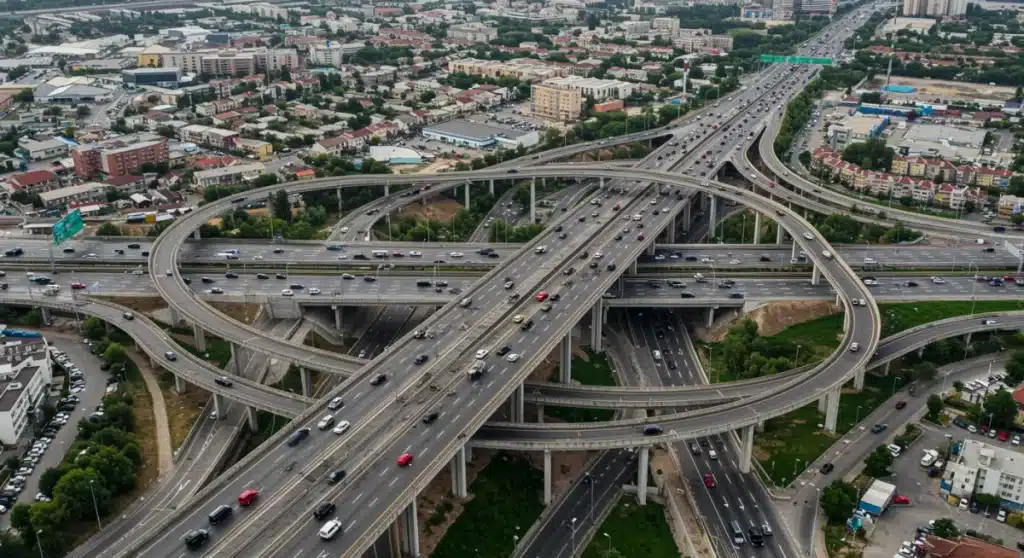
The new Infrastructure Bill allocates $550 billion for national projects through 2026, marking a significant investment in America’s future. This legislation targets crucial sectors like transportation, broadband, and clean energy, aiming to modernize existing systems and create new opportunities nationwide. Understanding its provisions is key to grasping impending economic and societal shifts.
Infrastructure Bill is shaping today’s agenda with new details released by officials and industry sources. This update prioritizes what changed, why it matters and what to watch next, in a straightforward news format.
The bipartisan Infrastructure Investment and Jobs Act represents a monumental commitment to revitalizing America’s physical and digital backbone. With its broad scope, the bill promises to touch nearly every aspect of American life, from daily commutes to internet access.
This comprehensive legislation aims to address decades of underinvestment in critical areas. Its provisions are designed not only to repair and upgrade existing infrastructure but also to lay the groundwork for future economic growth and environmental sustainability.
Understanding the Scope of the Infrastructure Bill
The Infrastructure Investment and Jobs Act, often referred to as the Infrastructure Bill, is a landmark piece of legislation. It authorizes a total of $1.2 trillion in spending over eight years, with $550 billion representing new federal investments over five years, from fiscal years 2022 through 2026.
This substantial financial commitment is directed towards a wide array of infrastructure projects. These initiatives span traditional areas like roads and bridges, alongside modern necessities such as broadband internet and clean energy technologies.
The bill’s primary objective is to modernize America’s infrastructure, enhancing its resilience and efficiency. This investment is anticipated to create millions of jobs, stimulate economic growth, and improve the quality of life for communities across the United States.
Key Funding Areas in Detail
A significant portion of the $550 billion is earmarked for transportation infrastructure. This includes substantial allocations for repairing and rebuilding roads and bridges, which have long suffered from neglect and underfunding across the nation.
Another critical focus is on public transit, with funding aimed at improving and expanding services. This investment seeks to make public transportation more accessible, reliable, and environmentally friendly for urban and suburban populations.
- Roads and Bridges: $110 billion for repair and construction.
- Public Transit: $39 billion to modernize and expand transit systems.
- Passenger and Freight Rail: $66 billion for Amtrak and rail improvements.
Infrastructure Bill traditional transportation
Beyond traditional transportation, the Infrastructure Bill also dedicates considerable resources to utility infrastructure. This includes significant investments in water pipes, power grids, and broadband internet access, addressing fundamental needs for modern society.
The bill allocates funds to upgrade aging water infrastructure, ensuring safer drinking water and more efficient wastewater systems. This is a crucial step towards public health and environmental protection.
- Water Infrastructure: $55 billion for water pipe replacement and clean water initiatives.
- Power Grid: $65 billion to modernize the electric grid and expand clean energy.
- Broadband Internet: $65 billion to expand high-speed internet access to unserved areas.
These targeted investments aim to create a more robust and equitable infrastructure system. The goal is to ensure that all Americans have access to reliable services, fostering economic opportunity and improving daily living conditions.
Impact on Transportation Networks
The allocation for transportation represents a transformative investment in how Americans travel and goods are moved. This funding is poised to address critical deficiencies in the current system, which often suffers from congestion, disrepair, and outdated technology.
Improvements to roads and bridges are expected to reduce travel times, lower vehicle maintenance costs, and enhance safety for commuters and commercial traffic. The ripple effect will be felt across supply chains and local economies.
Furthermore, significant investments in public transit and rail aim to provide more sustainable and efficient alternatives to personal vehicles. This shift is crucial for reducing carbon emissions and alleviating urban congestion.
Modernizing Roads and Bridges
With $110 billion designated for roads and bridges, states and localities will undertake thousands of projects. These range from major interstate overhauls to local bridge repairs, all essential for safe and efficient travel.
The funding specifically targets structurally deficient bridges and roads in poor condition. This initiative will not only enhance safety but also reduce bottlenecks that hinder economic activity and increase commuting times.
State departments of transportation are already developing project pipelines, prioritizing the most urgent repairs and strategic upgrades. The long-term benefits include improved connectivity and reduced wear and tear on vehicles.
Advancing Public Transit and Rail
The $39 billion for public transit is set to modernize bus and subway systems, improving service frequency, reliability, and accessibility. This investment directly benefits urban populations that rely heavily on public transportation.
Additionally, $66 billion for passenger and freight rail will bolster Amtrak’s network and invest in freight rail capacity. These enhancements are vital for regional connectivity and efficient goods movement across the country.

These transportation investments are designed to create a more integrated and resilient national network. The focus is on moving people and products more effectively, supporting economic competitiveness and environmental goals.
Expanding Broadband Access Across the Nation
The Infrastructure Bill dedicates $65 billion to expanding high-speed internet access, a critical step towards bridging the digital divide. This investment recognizes broadband as essential infrastructure in the 21st century, vital for education, healthcare, and economic participation.
Millions of Americans, particularly in rural and underserved urban areas, lack reliable and affordable internet. This funding aims to ensure that every household and business has access to the digital resources necessary for modern life.
The initiatives will support the deployment of new broadband infrastructure, facilitate adoption programs, and promote digital literacy. This comprehensive approach is crucial for equitable access and utilization of online services.
Bridging the Digital Divide
A significant portion of the broadband funding is allocated to states for building out infrastructure in areas currently without high-speed internet. This involves both fiber optic deployment and other advanced technologies to ensure robust connectivity.
The bill also includes provisions to lower the cost of internet service for low-income families. This addresses affordability barriers, ensuring that access is not just available but also attainable for all segments of the population.
These efforts are expected to unlock new economic opportunities for remote work, e-commerce, and digital entrepreneurship in previously underserved communities. The goal is to foster greater economic inclusion and innovation nationwide.
Future-Proofing Connectivity
The focus extends beyond simply providing basic internet, aiming for future-proof infrastructure capable of supporting evolving technological demands. This means investing in scalable solutions that can meet increasing data needs for decades to come.
The bill encourages competition among internet service providers, which is expected to drive down costs and improve service quality for consumers. This market-driven approach complements the direct infrastructure investments.
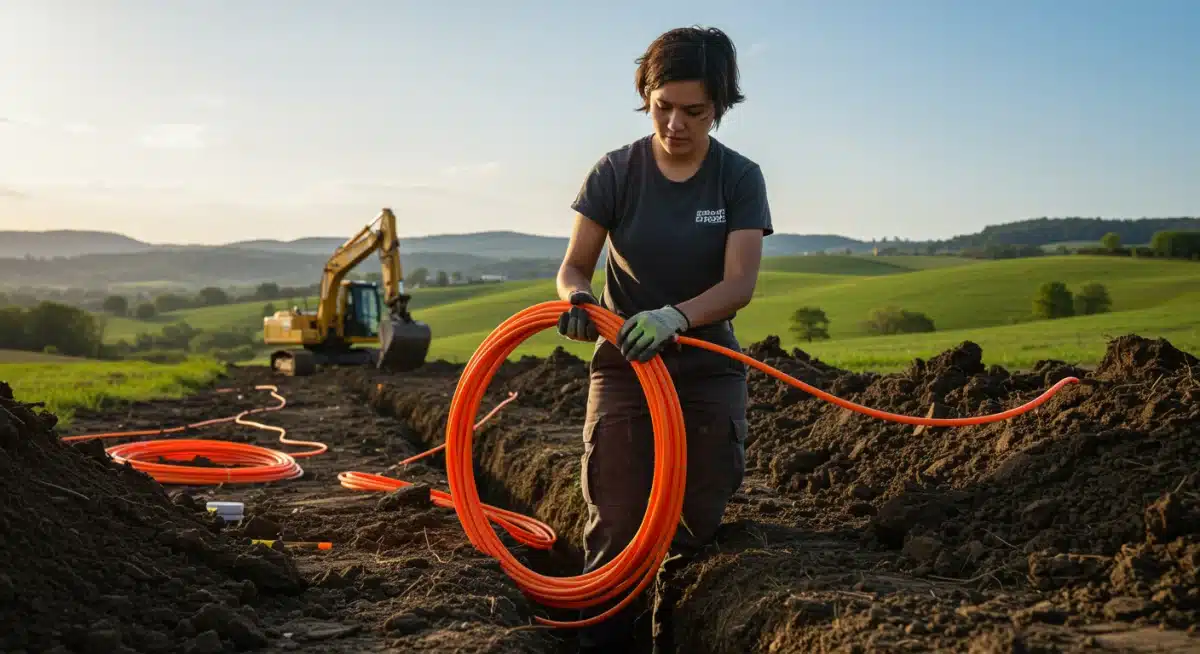
The investment in broadband is not just about connectivity; it’s about empowering communities and individuals. It ensures that no American is left behind in an increasingly digital world, fostering a more connected and equitable society.
Investing in Clean Water and Energy Infrastructure
Beyond transportation and broadband, the Infrastructure Bill makes substantial investments in critical utility infrastructure, focusing on clean water and resilient energy systems. These areas are fundamental to public health, environmental sustainability, and economic stability.
Aging water infrastructure, including lead pipes, poses significant health risks and inefficiencies. The bill allocates considerable funds to replace these outdated systems, ensuring safe drinking water for all communities.
Similarly, investments in the power grid aim to modernize it, making it more resilient to extreme weather events and capable of integrating more clean energy sources. This supports the transition to a sustainable energy future.
Modernizing Water Systems
The $55 billion dedicated to water infrastructure is a crucial step towards addressing long-standing issues. This funding will support projects to replace lead service lines, improve wastewater treatment facilities, and enhance water quality monitoring.
Many communities, particularly those with older infrastructure, struggle with contaminated water and inefficient systems. This investment will provide essential resources to upgrade these vital services, protecting public health and the environment.
The scope includes addressing emerging contaminants, improving stormwater management, and supporting water recycling and reuse projects. The goal is to build safer, more sustainable water systems for future generations.
Strengthening the Power Grid
The $65 billion for power grid modernization is designed to enhance the grid’s reliability, security, and capacity to handle renewable energy. This is essential for preventing outages and supporting the nation’s climate goals.
Investments will focus on building new transmission lines, upgrading existing infrastructure, and deploying smart grid technologies. These improvements will make the grid more resilient to cyberattacks and natural disasters.
Furthermore, the funding supports the development of clean energy technologies, including carbon capture and storage, and hydrogen hubs. This accelerates the transition away from fossil fuels and drives innovation in the energy sector.
These investments in water and energy infrastructure are foundational to building a healthier, safer, and more sustainable future for the United States. They address critical needs while also positioning the nation for long-term growth and environmental responsibility.
Job Creation and Economic Stimulus
A central tenet of the Infrastructure Bill is its projected impact on job creation and economic stimulus. The scale of the investment, $550 billion, is expected to generate millions of jobs across various sectors, from construction to manufacturing and technology.
These jobs will not only be direct positions related to infrastructure projects but also indirect and induced roles throughout the supply chain and local economies. The economic multiplier effect is anticipated to be substantial.
The influx of federal funding is designed to boost demand for materials, equipment, and skilled labor, revitalizing industries and fostering economic growth in communities nationwide. This comprehensive approach aims for widespread prosperity.
Direct and Indirect Employment
The construction sector will experience a significant surge in employment as projects commence, requiring engineers, laborers, and project managers. This direct job creation is immediate and tangible, providing opportunities for a diverse workforce.
Beyond direct construction, manufacturing industries producing steel, concrete, and other materials will see increased demand, leading to job growth in those sectors. The ripple effect extends to logistics, transportation, and technology services.
Economists project that the Infrastructure Bill will contribute to a sustained period of job growth, reducing unemployment rates and increasing wages in many regions. This positive economic impact is a key objective of the legislation.
Long-Term Economic Benefits
Improved infrastructure leads to greater economic efficiency, reducing costs for businesses and consumers. Better transportation networks mean faster movement of goods, while reliable broadband facilitates innovation and remote work.
The modernization of the power grid ensures a stable energy supply, crucial for industrial operations and residential stability. These foundational improvements create a more competitive and attractive environment for businesses to invest and grow.
Ultimately, the Infrastructure Bill aims to enhance America’s global competitiveness by providing a robust and modern infrastructure backbone. This investment is not just about immediate stimulus but about laying the groundwork for sustained economic prosperity.
Challenges and Oversight for Implementation
While the promise of the Infrastructure Bill is immense, its successful implementation will hinge on effective management, robust oversight, and careful coordination across various levels of government. The sheer scale of the $550 billion investment presents significant logistical and administrative challenges.
Ensuring that funds are allocated efficiently, projects are completed on time and within budget, and benefits are equitably distributed will require constant vigilance. Transparency and accountability mechanisms are crucial to prevent waste and fraud.
Furthermore, navigating environmental regulations, securing necessary permits, and addressing potential supply chain disruptions will be ongoing hurdles. The success of this ambitious undertaking depends on proactive problem-solving and adaptive strategies.
Navigating Bureaucratic Hurdles
The process of distributing funds from the federal government to states and local entities can be complex and time-consuming. Streamlining grant applications and approval processes will be essential to expedite project initiation and avoid delays.
Inter-agency coordination, both at the federal and state levels, is vital to ensure that projects align with broader strategic goals and avoid duplication of effort. Effective communication channels are necessary for seamless execution.
Addressing staffing shortages in engineering and planning departments at state and local levels will also be critical. Building capacity within these organizations is key to successfully managing the influx of new projects.
Ensuring Accountability and Equity
Oversight bodies will play a crucial role in monitoring how funds are spent and ensuring compliance with federal guidelines. Regular audits and performance reviews will help identify and rectify any inefficiencies or misuse of resources.
The bill emphasizes equitable distribution of benefits, aiming to direct investments to disadvantaged communities and areas with the greatest need. This requires careful planning and robust data collection to track the impact on diverse populations.
Public engagement and transparency are also paramount. Keeping the public informed about project progress, spending, and outcomes will foster trust and ensure that the Infrastructure Bill delivers on its promises for all Americans.
Long-Term Vision and Future Implications
The Infrastructure Bill is more than just a repair and upgrade package; it represents a long-term vision for America’s future. The $550 billion investment is strategically designed to position the nation for sustained growth, technological advancement, and increased resilience in the face of future challenges.
By modernizing foundational systems, the bill aims to enhance national security, improve public health outcomes, and foster a more competitive economy. It’s an investment in the next generation of American infrastructure.
The implications extend beyond the immediate project timelines, setting new standards for sustainability, equity, and innovation in infrastructure development. This legislative effort is a blueprint for the decades to come.
Building a Resilient Nation
Investments in climate-resilient infrastructure are a core component of the bill. Projects are designed to withstand the impacts of extreme weather events, which are becoming more frequent and severe due to climate change.
This includes fortifying coastal infrastructure, upgrading drainage systems, and investing in smart grid technologies that can adapt to disruptions. Building resilience is crucial for protecting communities and ensuring continuous service delivery.
The focus on clean energy and sustainable transportation also contributes to long-term environmental goals, reducing the nation’s carbon footprint and fostering a healthier planet for future generations.
Fostering Innovation and Technology
The Infrastructure Bill encourages the adoption of new technologies and innovative approaches in infrastructure development. This includes smart city initiatives, advanced materials research, and digital tools for project management and maintenance.
The expansion of broadband access itself is a catalyst for technological innovation across all sectors, from telehealth to precision agriculture. A connected nation is a more innovative nation, driving economic diversification and growth.
By investing in cutting-edge solutions, the bill aims to make American infrastructure a global leader in efficiency, sustainability, and technological integration. This forward-looking approach ensures that the nation remains at the forefront of progress.
| Key Focus Area | Investment Highlight |
|---|---|
| Transportation | $110B for roads/bridges, $39B for transit, $66B for rail. |
| Broadband | $65B to expand high-speed internet to unserved areas. |
| Water Infrastructure | $55B for lead pipe replacement and clean water. |
| Power Grid | $65B to modernize and integrate clean energy into the grid. |
Frequently Asked Questions About the Infrastructure Bill
The Infrastructure Investment and Jobs Act authorizes $550 billion in new federal investments over five years, specifically from fiscal years 2022 through 2026. This new spending is part of a larger $1.2 trillion package over eight years, reinvesting in America’s foundational systems and stimulating economic growth nationwide.
Key sectors receiving substantial funding include transportation, with $110 billion for roads and bridges, $39 billion for public transit, and $66 billion for passenger and freight rail. Additionally, $65 billion is allocated for broadband internet expansion, $55 billion for water infrastructure, and $65 billion for power grid modernization.
The bill is projected to create millions of jobs across various sectors, including construction, manufacturing, and technology. These jobs encompass direct employment on infrastructure projects, as well as indirect and induced roles throughout the supply chain, fostering broad economic growth and reducing unemployment.
For clean water, $55 billion is dedicated to replacing lead service lines and upgrading water infrastructure. For energy, $65 billion is allocated to modernize the electric grid, enhance its resilience, and facilitate the integration of clean energy sources, supporting the transition to a sustainable future.
Key challenges include navigating bureaucratic processes for fund distribution, ensuring effective inter-agency coordination, and addressing potential supply chain disruptions. Robust oversight and accountability mechanisms will be crucial to ensure efficient spending, timely project completion, and equitable distribution of benefits across all communities.
Looking Ahead: The Road to 2026 and Beyond
The journey of Infrastructure Bill for National Projects Through 2026 is just beginning, with its full impact unfolding over the coming years. The initial phases of project identification and fund distribution are critical, setting the tone for the entire initiative.
Observers will closely monitor key performance indicators, such as job creation figures, project completion rates, and the tangible improvements in infrastructure quality. The success of this bipartisan effort will be measured by its ability to deliver promised benefits to communities nationwide.
The Infrastructure Bill represents a significant commitment to America’s future, aiming to build a more resilient, connected, and prosperous nation. Its long-term implications will shape economic landscapes and daily lives well beyond 2026.